

Request a consultation
2026 Winner
UK Best Hair Restoration

2025 Winner
Hair transplant company

2024 Winner
MD of the year

2024 Winner
Best Hair Transplant Provider

2024 Finalist
Aesthetics Awards

2023 Winner
Hair Transplant Company

2023 Winner
Most Trusted HT Clinic

2023 Nominee
English Beauty Awards

2022 Finalist
Yorkshire Beauty Awards

2026 Winner
Hair Transplant Clinic of the Year

2026 Finalist
Hair Loss Clinic of the Year

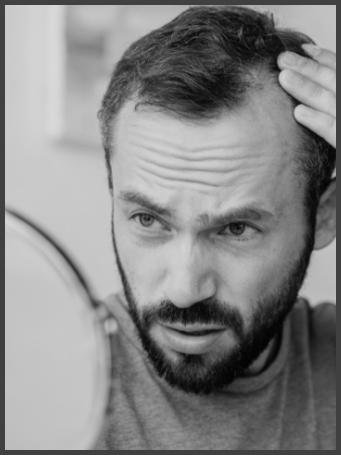
Hair loss in men is often caused by genetics, hormonal changes, or lifestyle factors such as stress and diet. The most common cause is androgenic alopecia (male pattern baldness), a condition linked to the hormone dihydrotestosterone (DHT). This hormone causes hair follicles to shrink over time, leading to thinning hair and eventual hair loss.
At Want Hair, we specialise in advanced hair restoration solutions tailored to your individual needs. Our expert team provides free advice on non-surgical treatments that help block DHT, as well as state-of-the-art hair transplants designed to deliver natural-looking, long-lasting results.
Take the first step toward restoring your hair today. Contact Want Hair for a free consultation and discover a personalised solution that’s right for you.
Understanding your stage of hair loss is key. Non-surgical treatments can slow hair loss, while transplants offer significant restoration.
Contact our team for a free assessment and personalised advice to restore your hair and confidence.
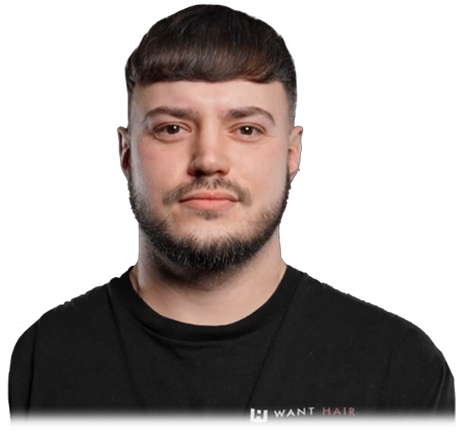
Prevent male hair loss with finasteride, a proven treatment that blocks DHT, helping to slow hair loss and support hair regrowth.
Hair transplants are a permanent solution that moves healthy hair follicles to balding areas for natural, lasting results.
Maintain your hair and prevent further loss with minoxidil, a clinically proven treatment that stimulates hair growth and strengthens follicles.
Are you considering a hair transplant? Click to find out more.
Often know as male pattern baldness, androgenic alopecia will affect 80% of men to some extent by the time they are 50 years old. Androgenic alopecia is caused by a hormone known as DHT or dihydrotestosterone. Testosterone converts to DHT which binds to receptors on the hair follicles. If you have androgenic alopecia, DHT is likely to cause hair loss by miniaturising your hair follicles.
Request an assessment
Everything you need to know about male hair loss and how to treat it. Can't find your answer? Our team gives free expert advice.
Call 0113 418 2188Years experience
Clinics
Completed restorations
Reviews
Happy staff